
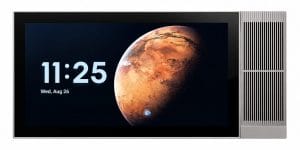
Smart Home Melbourne
Transform your home with professional Smart Home Melbourne solutions from Techno Trading.
A smart home is more than controlling a light from your phone. A properly designed smart home brings lighting, security, access, sensors, climate control and other connected devices together into one convenient system.
At Techno Trading, we design smart home solutions around the way you actually use your home. From a single smart wall panel to a complete home automation system, we can create a solution that is easy to control, expandable and tailored to your property.
Whether you are building a new home, renovating or upgrading an existing property, our smart home solutions can help you create a more convenient, secure and connected living environment.
Complete Smart Home Solutions in Melbourne
Every home is different, so there is no single smart home package that suits everyone.
Some customers may want to start with smart lighting and a central control panel. Others may want a more complete system integrating lighting, security cameras, smart locks, alarms, video intercoms and sensors.
A smart home system can include:
- Smart wall control panels
- Smart lighting
- Smart switches
- Smart locks
- CCTV cameras
- Smart alarm systems
- Video intercoms
- Motion and presence sensors
- Door and window sensors
- Smart curtains and blinds
- Climate and HVAC control
- Smart garage controlAutomation scenes
- Voice control
- Mobile control
- Local network and Zigbee devices
The system can be designed according to your requirements and expanded as your smart home grows.
One Smart Home, One Central Control
One of the biggest advantages of a properly planned smart home is bringing different functions together.
Instead of opening multiple apps every time you want to control something, key functions can be brought into a central smart home interface.
A wall-mounted smart control panel can provide convenient access to frequently used devices and scenes.
Depending on the system design, you may be able to control:
- Lights
- Security
- Door access
- Curtains
- Climate
- Sensors
- Automation scenes
- Other compatible smart devices
Additional control panels can also be positioned in useful areas of the home, such as bedrooms, living areas or upstairs.
The objective is simple: smart technology should make the home easier to use, not more complicated.
Smart Wall Control Panels
A smart wall panel can become the central interface of a modern smart home.
Instead of having separate switches and controllers for different functions, a touchscreen panel can provide quick access to compatible devices from one location.
For example, a panel near the entrance may allow you to check security, control lights or activate an automation scene before leaving the house.
Another panel in a living area or bedroom can provide convenient access to commonly used smart home functions.
For larger homes, multiple panels can be incorporated into the system so that important controls are available where they are needed.
Smart Lighting
Smart lighting is one of the most practical ways to begin home automation.
Instead of using lights only through traditional switches, compatible smart lighting can provide additional control and automation options.
Depending on the system, smart lighting may allow:
- Wall switch control
- Smart panel control
- Mobile control
- Voice control
- Timers and schedules
- Motion-based automation
- Presence-based automation
- Lighting scenes
Traditional wall control can also remain important.
A good smart home should still be simple to operate even when someone does not want to use an app or voice command.
Smart Lighting Automation
Automation makes smart lighting significantly more useful.
For example, a presence sensor can detect when someone enters an area and activate the appropriate lighting.
When the area is no longer occupied, the lights can turn off automatically after a selected period.
Lighting can also respond to time, security status or other events within the smart home.
Rather than manually controlling every device, automation allows the home to respond intelligently to everyday situations.
Smart Home Scenes
A scene allows several compatible devices to respond to a single command or event.
For example, a Good Night scene could turn off selected lights, check compatible security devices and adjust other connected equipment.
An Away scene could turn off unnecessary lighting and activate selected security functions when you leave home.
A Welcome Home scene could activate selected lights when you return.
Possible scenes include:
- Good Morning
- Leaving Home
- Welcome Home
- Good Night
- Movie Time
- Holiday Mode
- Security Mode
Scenes can be customised according to the household and compatible equipment.
This is where home automation becomes much more powerful than simply controlling individual devices from a phone.
Smart Sensors and Automation
Sensors allow a smart home to understand what is happening around the property.
Depending on the system, sensors may detect:
- Motion
- Presence
- Doors opening
- Windows opening
- Water leaks
- Smoke
- Gas
- Environmental conditions
These sensors can then be used as part of automation rules.
For example, a sensor may trigger a light, activate a notification or interact with another compatible device.
The exact automation depends on the selected equipment and how the system is configured.
Motion Sensors vs Presence Sensors
Traditional motion sensors are useful for detecting movement, but modern presence sensors can provide more detailed occupancy detection.
This can be particularly useful for lighting automation.
A standard motion sensor may stop detecting someone who is sitting relatively still.
Compatible presence sensing technology can be used in areas where more accurate occupancy information is required.
This allows automations to respond more naturally to how a room is actually being used.
Smart Locks and Keyless Entry
Smart locks can become an important part of a complete smart home security system.
Depending on the selected model, access methods may include:
- Fingerprint
- PIN code
- RFID or access card
- NFC
- Smartphone
- Mechanical key backup
- Facial recognition
- Palm recognition
Different household members can use the access method that suits them.
Selected smart locks may also support access records, temporary access and other connected features.
The correct smart lock must be selected according to both the required features and the physical door.
Door thickness, existing lock type, mortise, backset and clearance should all be considered before installation.
CCTV and Smart Home Security
Security cameras can form another important part of a smart home.
A professionally designed CCTV system can provide monitoring around entrances, driveways, garages, side access areas, backyards and other important locations.
Depending on the selected equipment, CCTV features may include:
- High-resolution recording
- Night vision
- Full-colour night vision
- Human detection
- Vehicle detection
- Smart alerts
- Active deterrence
- Mobile viewing
- Local NVR recording
Security should be considered as part of the overall smart home design rather than as a completely separate system.
Smart Alarm Systems
A smart alarm system can provide another layer of protection.
Depending on the system, an alarm can include:
- Door and window sensors
- PIR motion sensors
- Sirens
- Keypads
- Remotes
- RFID access
- Mobile notifications
- Wi-Fi connectivity
- GSM or 4G communication
- Backup battery
Security requirements vary between properties, so sensors and alarm devices should be positioned according to the actual layout of the home.
Video Intercom and Door Communication
A video intercom allows you to see and communicate with visitors before opening the door or gate.
Depending on the selected system, video intercom functionality may include:
- Indoor monitor
- Outdoor door station
- Two-way communication
- Door or gate release
- Mobile viewing
- Call notifications
- Integration with compatible access systems
For a complete smart home, the video intercom can form part of a broader entrance and access solution alongside smart locks and other security devices.
Smart Curtains and Blinds
Motorised curtains and blinds can add both convenience and automation to a smart home.
Depending on compatible equipment, curtains or blinds may be controlled through:
- Wall controls
- Smart panels
- Mobile devices
- Voice commands
- Timers
- Automation scenes
For example, selected blinds could open as part of a morning scene and close automatically in the evening.
They can also be incorporated into larger scenes alongside lighting and climate control.
Smart Climate and HVAC Control
Heating and cooling are another important part of home automation.
Where compatible equipment and interfaces are available, climate control can be incorporated into the smart home system.
This can allow heating or cooling to respond to schedules, scenes or other automation conditions.
The available functionality depends on the HVAC equipment installed at the property and its compatibility with the smart home system.
Smart Garage Door Control
Garage access can also form part of a connected home.
Depending on the existing garage door opener and selected equipment, smart control may provide additional convenience for operating or monitoring the garage.
This can be particularly useful when combined with entrance security, CCTV and other smart home functions.
Compatibility with the existing garage door system should be checked before adding smart control.
Zigbee Smart Home Technology
Not every smart device needs to communicate directly through Wi-Fi.
Zigbee is commonly used for smart home devices such as sensors, switches and other low-power equipment.
Compatible Zigbee devices communicate through a smart home network using a suitable coordinator or hub.
This can provide a practical way to connect multiple smart devices without requiring every sensor and switch to operate as an independent Wi-Fi device.
The appropriate network architecture depends on the size of the property, number of devices and required functionality.
Local Smart Home Control
Cloud services can be useful, but internet access should not necessarily be the foundation of every smart home function.
Where suitable equipment is used, important automations can be designed to operate through the local smart home network.
This can reduce unnecessary dependence on external internet services for everyday functions.
For example, a compatible presence sensor triggering a local smart light does not necessarily need to send the command through the internet first.
The exact offline functionality depends on the selected hardware and system architecture.
Smart Home Mobile Control
A smartphone can provide convenient access to compatible smart home functions while you are at home or away.
Depending on the system, mobile control may provide access to lighting, security, cameras, door access and other connected devices.
Remote functions generally require internet connectivity.
However, a well-designed smart home should not force users to take out their phone for every simple action.
Wall switches, control panels, sensors and automation should work together to make everyday control convenient.
Voice Control
Voice control can provide another convenient way to interact with compatible smart home devices.
For example, voice commands may be used for selected lighting or other everyday functions.
However, security-sensitive functions should be considered carefully.
A smart home should prioritise appropriate access permissions and security rather than enabling every device or function through unrestricted voice commands.
Smart Home for New Builds
Planning smart technology during the construction of a new home can provide significant advantages.
Before walls and ceilings are completed, it may be easier to plan:
- Network cabling
- CCTV cabling
- Control panel locations
- Intercom wiring
- Sensor locations
- Smart switch requirements
- Equipment locations
- Future expansion
Early planning can help create a cleaner installation and reduce the need for modifications later.
It also allows the smart home system to be considered as part of the building rather than as an afterthought.
Smart Home for Existing Homes
You do not need to build a new house to create a smart home.
Existing homes can also be upgraded using a combination of compatible wired, wireless and Zigbee technologies.
The best approach depends on the existing electrical system, network, property construction and the features you want to automate.
Some customers may begin with only a few functions and expand the system over time.
This makes smart home technology accessible without requiring every part of the house to be automated at once.
Start Small and Expand Later
A smart home does not need to be completed in one project.
A system can be planned in stages.
For example:
Stage 1: Smart control panel, lighting and security
Stage 2: Additional sensors and automation
Stage 3: Curtains, climate and additional rooms
Stage 4: Further integrations and customised automation
Planning the underlying system correctly from the beginning makes future expansion easier.
This is particularly important when choosing hubs, communication protocols and control equipment.
Why Smart Home Planning Matters
Buying individual smart devices without a plan can eventually create a collection of separate products that do not work well together.
One device may use one app.
Another may require a different hub.
A third may depend entirely on a cloud service.
The result can become complicated instead of convenient.
A better approach is to consider the complete smart home architecture before selecting the individual devices.
This includes communication protocols, network requirements, control interfaces, automation and future expansion.
Smart Home Design Based on Your Lifestyle
The best smart home is not necessarily the home with the most technology.
It is the home where technology quietly makes everyday life easier.
A family with children may have different automation requirements from a couple, a large household or someone living alone.
The way people enter the home, use lighting, manage security and move between rooms should influence how the system is designed.
That is why smart home design should begin with the household’s requirements rather than a fixed equipment list.
Smart Home Security and Privacy
Security should be considered whenever connected technology is installed.
Smart home networks, user accounts, passwords and remote access should be configured carefully.
Where possible, important local functions can be separated from unnecessary cloud dependency.
Devices should also be sourced with consideration for compatibility, support and appropriate Australian requirements.
A Smart Home Melbourne solution should improve security and convenience without creating unnecessary complexity.
Professional Smart Home Installation Melbourne
A complete smart home may involve networking, electrical equipment, security devices, access control, sensors and automation.
Professional planning can help ensure that these different components work together correctly.
Techno Trading provides Smart Home Melbourne solutions for new and existing properties.
We can assist with system planning, compatible device selection, installation, configuration and automation.
The objective is not simply to install smart products.
Our goal is to create a smart home system that works together as one practical solution.
Why Choose Techno Trading for Smart Home Melbourne?
Techno Trading specialises in Smart Home Melbourne, security and smart technology solutions.
Our smart home approach can bring together multiple areas of the property, including:
- Smart home control
- Lighting automation
- Smart locks
- CCTV
- Smart alarms
- Video intercoms
- Access control
- Sensors
- Smart curtains and blinds
- Compatible climate control
- Garage automation
Because we also work with CCTV, alarms, locks, intercoms and access systems, security can be considered as part of the overall smart home design.
We can create solutions for both smaller smart home upgrades and more comprehensive automation projects.
Build Your Smart Home in Melbourne
Whether you want to automate a few important functions or build a complete connected home, the first step is deciding what you want the home to do.
From there, the system can be designed around your property, lifestyle and future requirements.
A properly planned smart home should be:
Simple to use.
Reliable.
Secure.
Expandable.
Designed around you.
Techno Trading provides professional Smart Home Melbourne solutions for customers looking to bring lighting, security, access and automation together.
Contact Techno Trading
Ready to start planning your smart home?
Contact Techno Trading to discuss your property and the features you would like to automate.
Phone: (03) 9969 7571
Mobile: 0415 214 452
Email: info@technotrading.com.au
Showroom: 5A/70 Mahoneys Road, Thomastown VIC 3074
Frequently Asked Questions
What can be included in a smart home?
A smart home can include lighting, wall control panels, smart locks, CCTV, alarms, video intercoms, sensors, curtains, climate control, garage control and automation. The available functions depend on the selected equipment and property.
Can I install a smart home system in an existing house?
Yes. Existing homes can often be upgraded using compatible wired, wireless and Zigbee devices. The best solution depends on the property’s existing infrastructure and the required automation.
Does a smart home need internet to work?
Not necessarily for every function. Compatible locally controlled devices and automations may continue operating on the local network without internet access. Remote access and cloud-dependent features generally require an internet connection.
Can I control my smart home from one panel?
Depending on the system design and compatible equipment, multiple smart home functions can be brought together through a central wall control panel or interface.
Can I have more than one smart control panel?
Yes. Where supported by the system, additional control panels can be installed in different areas of the home for convenient access.
Can I add more smart devices later?
Yes, if the system is designed with expansion in mind and the additional devices are compatible. This is why planning the smart home architecture before purchasing individual products is important.
Can smart home security include CCTV and alarms?
Yes. CCTV cameras, alarm systems, smart locks, video intercoms and compatible access devices can form part of a broader smart home security solution.
Is Zigbee better than Wi-Fi for a smart home?
Neither is automatically better for every application. Zigbee is commonly used for low-power sensors, switches and other smart devices, while Wi-Fi can be useful for equipment requiring direct network connectivity. A smart home may use several technologies together.
Do you install smart home systems across Melbourne?
Yes. Techno Trading provides smart home and security solutions across Melbourne. The system can be designed according to the property, required functions and available infrastructure.